Showing posts with label college. Show all posts

Already Stressed?

 By Arabella Chamberlain

Photo Credit

Classes only just started. We can't be that stressed out yet, can we?

Photo Credit
Raise your hand if you're already under piles of homework.

College is hard. No lie. You all know that. But this past year has been the hardest, guaranteed. There's a lot of pressure to still do well in classes, from professors to parents to peers. It can be hard to handle it all. I often find myself diving into my work, only emerging to eat. THIS IS NOT HEALTHY.

That's why this semester, it's time for a clean slate. Follow some of these tips below to help not only your grades but your wellbeing!
  • Get out of your dorm. Not the easiest to do in the dead of winter in the midst of a pandemic, but here we are. Being cooped up all the time is not great for anyone. Take a break and step outside. I know it's cold, but consider a nature walk with a friend or even just a walk around the quad once or twice. The benefits of being outside, even for just a few minutes are insane! Just remember to socially distance and mask up!
  • Talk it out. You're not the only person on campus in desperate need of some help with homework. If you're feeling overwhelmed, reach out to your friends or other students in your classes. Expressing your feelings about your coursework might help others feel at ease and relieve some of your fears that you're all alone. Mental health is just as important as physical health - but we certainly don't treat it that way! And if you really think everyone else has got it down and you're the only one that doesn't, remember imposter syndrome is real.
  • Get a tutor! Coe's Learning Commons is chockful of useful resources, from supplemental instruction (SI) to peer tutors to academic coaches. Take it from me, I have survived some of my toughest classes by utilizing these resources. Fill out a Request for Academic Support to get started!
Photo Credit
There are plenty of other great ways to tackle this semester. Poke around this blog for more if you get a chance! These are only a few things to get you started, but even just one small step to take care of your wellbeing can be a huge step to kicking this semester's - well, I probably shouldn't say that on a college-sponsored website.

Anyway, you got this!


Life After College: The Career Horizon (Part 2)

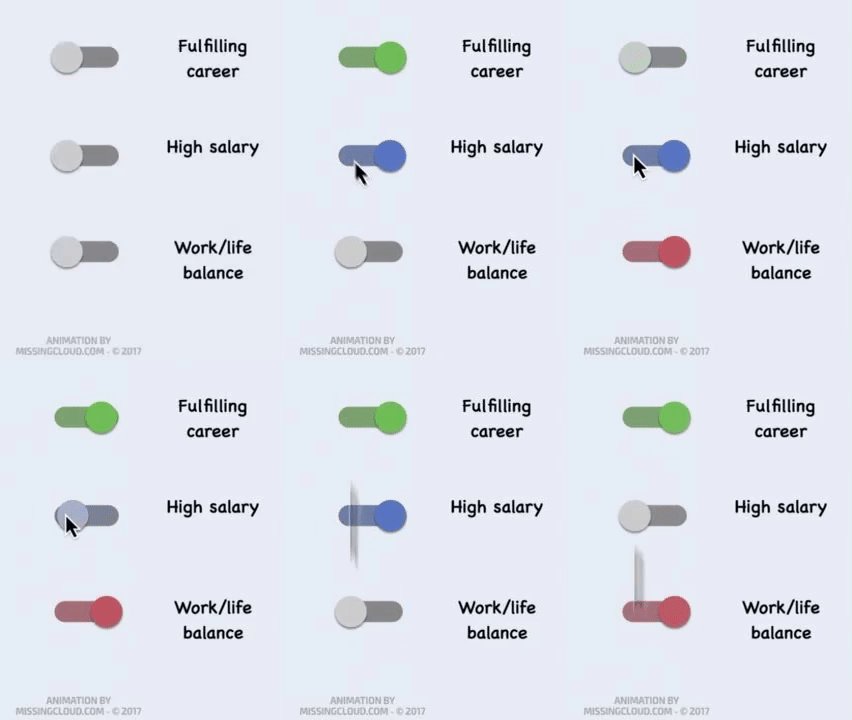
Let’s get straight to the point: being a college student is hard. We have to balance both our academic responsibilities with our personal lives, often juggling our own well-being and the well-being of those around us. As seniors (or future graduates) we have to think about our futures, while juggling our far too many present activities. Career preparation takes work because it is work, but I want to show that all our hard work will be worth it in the end. The previous post focused on graduate outcomes. This post will focus on the many pros of an undergraduate degree. You will find C3 information as well as link to helpful sources at the end. 


During the Pandemic

According to “a national report by the State Higher Education Executive Officers Association (sheeo.org), high school graduates earn an average of almost $30,000 per year. Bachelor's graduates earn an average of just over $50,000 a year.”¹ 

This is a 20K difference in average salaries, with just four years of further education! However, we all know this already, I mean this difference is why many - if not all - of us attend college in the first place. Did you know that even in these trying times, college graduates are not suffering as hard from the economic fallout as those who have a high school diploma, or lower?


According to Pew Research:  


“Adults without a bachelor’s degree are more likely than those with at least a bachelor’s degree to say they have experienced problems with paying their bills, affording medical expenses for themselves or their families, or making rent or mortgage payments. About a third of adults with a high school diploma or less education (34%) and 27% of those with some college experience say they have struggled with paying bills, compared with 12% of those with a bachelor’s degree or more education. About one-in-five adults with some college or high school or less education say they have had problems paying their rent or mortgage (18% and 23%) since the beginning of the coronavirus outbreak. Those with a high school diploma or less education are twice as likely as those with a bachelor’s degree or more education to have lost their health insurance in the same time period (6% vs. 3%)”² (By. KIM PARKER, RACHEL MINKIN AND JESSE BENNETT). 


In translation, those with bachelor’s degrees show lower rates of losing their health insurance, struggle less with paying their bills (12% compared to the 34% of high school graduates), and, overall, fare better than other demographics. This study also found that people with at least a bachelor’s degree are able to save more during this pandemic than those with a high school diploma or less. 


Job Opportunities (in General)

It’s not an understatement to say most of us came to Coe to have more job opportunities than if we tried looking for work right after high school. Fortunately, research supports our goal. According to Northeastern University of Boston, Massachusetts, college graduates see 57 percent more job opportunities than non-graduates, and it is estimated that, by 2020, two-thirds of all jobs will require postsecondary education.³ This means that college graduates have over two times the number of job opportunities, and that a majority of jobs require an undergraduate as a basic requirement. 


A degree is even more of a requirement when looking for jobs that require a graduate program education and certification. 


Happiness After Graduation

Ever heard that having a college degree leads to happiness later in life? Cory Steig from CNBC wrote an entire article on the relationship between an undergraduate degree and happiness to answer this question. The first finding, from the U.S. General Social Surveys showed that over 90% of college graduates are happy with their lives. The reasons may include the fact that a college degree brings increased job opportunities and financial stability, but other factors play a role. Being able to pay your bills is always a plus, but for many people a college degree is seen as a ticket out of poverty. Alex Bernadotte, CEO and founder of Beyond 12, is even quoted describing a degree as “currency”.⁴


Another important factor when it comes to the happiness gained with the opportunities and privileges form having a college degree is the concept of purpose. Think about it: we have a higher chance of working in professions that mean something to us, or allow us to feel like we’re contributing something to the good of the world, if we have a bachelor’s degree.


~

To summarize, there are a variety of benefits to a college education, even right now in the middle of this pandemic. At the end of the day, it’s up to you to decide how you will proceed with your future. We all have a lot on our plates and have to respond accordingly. As a senior, I can only hope that I make the best decisions for my own future. 


Helpful Sources

CNBC’s Does Getting a College Degree Make You Happier

https://www.cnbc.com/2020/08/17/does-getting-a-college-degree-make-you-happier.html


Please Stop Asking Whether College Is Worth It

https://www.forbes.com/sites/dereknewton/2018/12/16/please-stop-asking-whether-college-is-worth-it/?sh=19e219e630d2


Pros and Cons of a College Education

https://college-education.procon.org/


10 Benefits of Having a College Degree

https://www.northeastern.edu/bachelors-completion/news/is-a-bachelors-degree-worth-it/#:~:text=College%20graduates%20see%2057%20percent,where%20you%20choose%20to%20work


Benefits of a College Degree

https://www.educationcorner.com/benefit-of-earning-a-college-degree.html


Economic Fallout from Covid-19

https://www.pewsocialtrends.org/2020/09/24/economic-fallout-from-covid-19-continues-to-hit-lower-income-americans-the-hardest/

Life After College: The Career Horizon (Part 1)

Gif Source


Can you believe it’s already November?
Votes are still being counted for the elections, which certainly makes me feel anxious. Uncertainty breeds fear, and as college students we already have so many things to worry about. Still, I'm a believer that if we have control over anything, it's how we choose to react to stressful situations. Despite the many events outside of our control, or even awareness, there is always something within our direct control. One example of this belief, is that we can still plan for our lives after college.

More graduating seniors in 2020 than ever before are attending graduate school. Graduate schools allows students to specialize in specific fields, and have more competitive resumes, but I don’t believe this type of commitment is a good idea for everyone1. Graduate school costs a lot of money and on top of those costs, the student loans from undergraduate school may need to be paid back as well. (Sure, you can defer those loans, but will the overall costs of undergraduate and graduate loans be worth it in the end?) It’s important that we consider many different possibilities and act accordingly. In my opinion, let’s do what we can to improve our odds2!

While I love the prospect of attending graduate school, it would be bad if I neglected the entire career world. Yes, we are in the middle of a pandemic and we don’t know what the future holds, but we can’t let that stop us from taking action to improve the near future! I’ve been searching for resources, facts, and figures to show you, to give you some hope, and help motivate you to continue persisting this fall. However, finding specific information to answer my MANY career questions was not as easy as expected. 


Side note: this is why I love C3. They answer questions search engines cannot. 


For example, what is the likelihood that I will be hired for a job within the first three months of graduating college? How has the pandemic affected employer hiring practices? How is our job hunt different from Coe alumni? It turns out that data like this takes time to gather, which is why I couldn’t find basic answers to my basic answers (yes, I am salty). For your sake, I persisted and managed to find some answers. 


Coe Stats

For starters, let’s compare the outcomes of Coe graduates to the national average. A majority of students who graduate from Coe do go straight into the workforce, afterall3. Coe’s graduation rate is 66% compared to the national average of only 49%4.This means that almost half of those who attend college will graduate, while almost two-thirds of students graduate from Coe. 61% of Coe students graduate within four years, on the other hand, 62% of students complete their degrees within six years 5.


What the Job Market Really Looks Like

I know some of you may be wondering why I specified “three months” in my question earlier in this post. The answer is that I already know it’s unlikely that I’d land my dream job right after graduation (especially in the spring of 2021). Why? Because it takes the average college graduate three to six months to secure employment after graduation6. Does three months seem like a long time? Perhaps consider the fact that 53% of college graduates were unemployed or employed, but working in a job that didn’t require a bachelor's degree, last spring. The jobs immediately available may not be those three-figure careers you’ve been dreaming of. 


I was able to find a source detailing employment stats about college graduates, but it’s sample population were 25 to 34 years olds (not gen Z). This population was on average 87% employed (91% men, 83% women) after obtaining a bachelor’s degree7. There is one website that focuses on people in our age group, meaning the data is actually relevant for college students: Brookings.edu’s meet the millions of young adults who are out of work8.


In 2019, 6% of the total out-of-work young adults were recent college graduates (22 to 24 years old). 47% percent of the people in the total people in this group were employed, with 58% of the total people in this group continuing to look for work. 66% of our fellow young adults (college grads) lived with their parents, living the middle class lifestyle, while approximately, 25% lived below the poverty line. Yikes! 


---


Living below the poverty line sounds scary, but there could be a variety of reasons for this. For example, entry-level positions tend to pay less in general. There’s also the fact that many people are underpaid for their work, but that’s another conversation. So what if a college degree isn’t your golden ticket to your dream salary (immediately after graduation)? The benefits still outweigh the cons (in my opinion). Don’t believe me? Stay tuned Part 2!


Sources

(https://www.montclair.edu/newscenter/2020/09/18/graduate-enrollment-sees-unprecedented-growth/ )

(https://www.franklin.edu/blog/how-much-does-a-masters-degree-cost) 

(https://www.niche.com/colleges/coe-college/after-college/)

(https://www.collegesimply.com/colleges/iowa/coe-college/outcomes/)

(https://nces.ed.gov/programs/coe/indicator_ctr.asp) 

(https://www.washington.edu/doit/what-can-students-do-improve-their-chances-finding-employment-after-college)

(https://nces.ed.gov/fastfacts/display.asp?id=561)

(https://www.brookings.edu/research/young-adults-who-are-out-of-work/)

Back to School: Getting in the Zoom Zone

by Arabella Chamberlain

This year has been far from normal. A global pandemic, a "land hurricane" in Iowa, what next?

Things are finally starting to get back to normal though, as we return to classes, masked up and socially distanced. Even then though, a new challenge has approached 2020 - ONLINE CLASSES.

It's hard to find someone not in an online class this semester, even among those who returned to campus, which has brought on a plethora of new challenges as many of us find ourselves expecting Zoom Academy to look like this:


Photo Credit

When in reality, it looks a bit more like this:
While I can't fix your connection issues, when you are on a video call for class, have you ever really looked around and considered the environment you're in? Back in the olden days of in-person classes, it didn't matter how messy your room was or the room lighting. But nowadays, every single virtual class you attend is a peek into your personal life!

True story, I completely forgot to pay attention to my surroundings last semester on a video call and I had some pretty embarrassing things in the background! Don't make the same mistakes I've made with online classes, follow these helpful tips for a productive, focused (less embarrassing) semester online.
  • Set up a space for all your virtual classes. Whether that be at your desk, on your bed, or in the library even, pick a spot to consistently attend your virtual classes in. This will help you stay more focused on a class by being in a familiar environment each time. Just like when you attended in-person, always get settled in for class on-time.
  • Wherever you set up, don't forget to remove or limit distractions in the background. If you're in a personal space, is there anything around you that you think will distract others or yourself during class? If so, it's gotta go! Try to have a neutral or uncluttered backdrop for video classes in your dorms. If that's not possible, consider a virtual backdrop! If you're in a public space, make sure you don't have random people who will be walking in camera view the entirety of your class. Try to sit with your back to a wall or in a space away from heavy traffic.
  • Photo Credit
  • Focus on class while in class - not Snapchat! Just because you're attending class on your laptop or phone, doesn't give you a free pass to be on your laptop or phone while in class. Treat this just like a normal class - no Netflix or emails or texting while on a video chat! It's easy for things to get missed, especially when you're not paying any attention.
  • Take notes - even if the professor says the slides are on Moodle. By writing down notes while in class, it gives your brain time to process and absorb the information you're learning. Plus, you won't be able to remember every little thing the professor mentions that's not on the PowerPoint, so having a piece of paper and writing utensil handy will help keep you on top of everything.
  • Keep up with hygiene and self-care. Resist the urge to go to class in your pajamas or with your camera off. This will help keep you engaged and your professor will definitely appreciate it. You don't want to get distracted since your cameras off or something embarrassing ending up online if you accidentally turn your camera on though. So you don't need anything fancy, just try and remember to put on pants...
These are just a few tips to get you started. I know this year is a little crazy, but we're going to get through it. Let me know in the comments any study tips you have for this Fall!


Other resources:

What Not to do (and What to Do) When You're Sick in College

Photo by Andrea Piacquadio from Pexels
There's a bug going around campus. Students everywhere are catching colds, fevers, and stomach aches, which couldn't happen at a worse time - with midterms both this past week and next week. I thought I was over my cold last week, but this week I've had nothing but a scorching forehead and dizzy stomach. Work, classes, homework, meetings, social events, and death all awaited me because I don't take care of myself very well. Fortunately, for you, from my mistakes you can learn how to avoid doing the same. Here are five things to do (and not to do) when you're sick in college. 

What NOT to Do:
1. Don't Stay up late at night
If you have work or classes in the early morning, do not stay up late at night watching Netflix or playing video games, especially when you're sick. Some of us struggle more than others to put our phones away and resist the urge to scroll through social media before bed, but I encourage you to practice self-control and put that phone away. 

If you have a roommate who you feel doesn't care about your pain, I feel for you; some people are selfish. On a positive note, you can communicate with them and try to convince them that as a roommate pair (or trio, quartet) you have the right to rest in your living space just as much as they do. I hope this isn't a problem you have to face, but at times we are called to be brave and have civil conversations like the adults that we are. You need to go to bed because you're sick and need as much rest as humanly possible. You can't miss your exam the next day, and you can't take off work. Most people are sympathetic towards those who are sick, so make sure that you don't assume that your roommate won't respect you. 

2. Don't Lash Out At Your Friends (or others)
We all feel terrible every once in a while. Our bodies reject our ambitions and desire to finish everything we set out to do. We feel frustration and sadness, and just need to let it all out. What you don't need is to take out your feelings on other people. At some point, all of us will feel at our lowest. This doesn't give you the right to put anyone down by yelling at them or making them feel as though only your feelings matter. You may say things you wish you didn't say, or things you know you should never say, and it will take time and good communication on your part to remedy such situations. It's better to do your best to regulate your emotions from the start and remember that being ill is not a free pass to be cruel. 

3. Don't Eat Junk Food and Drink No Water
It's tempting to eat onion rings and fries because they taste good, but they tend not to help your body feel good, at all. If the pub is the best for you due to your schedule, try to substitute the fried sides for carrots or apples. The pub offers soup now, which is my personal favorite, and I don't see anything wrong with eating grilled cheese every day. 

4. Don't Be Unhygienic 
Wash your hands when you're sick. Wash your hands when you're not sick. No matter what's going on in your life WASH YOUR HANDS! There is no sugarcoating this. Coating disgusting germs with sugar will just make your hands sticky. Gross! If you don't wash your hands, you are spreading illness and disease. If you don't wash your hands, you are ignoring one of the greatest things humans have done to prevent disease, besides medicine and vaccinations. Brush your teeth, floss, take a shower, and wear clean clothes. Germs linger and spread, so wash those horrible things away. Cover your mouth when you sneeze with your elbows or into a tissue. Your sneeze shoots germs out into the air where other Kohawks breathe them in and become infected. If they aren't infected, those germs still linger on them and move onto others.

Don't sneeze into your hands: you touch things with your hands, and spread germs with your hands. Use hand sanitizer after you blow your nose and before touching new surfaces. Sanitize surfaces with disinfectant wipes when you make messes, touch keyboards, or use exercise equipment. When your symptoms go away, clean your dorm and sanitize it so that your living space doesn't become a petri-dish for the flu virus (or the million other viruses spreading across campus). 

5. Don't Avoid Doing Any Homework
This may appear to be the polar opposite of getting well-deserved sleep, and depending on your schedule there's a chance that it is. On the worst days of a cold or fever, homework isn't even on the mind, because you're just trying to survive. You may have an understanding professor, who allows you to miss class when you're sick or turn in assignments late without losing a ton of points; however, this does not mean that you get a free pass to not do any homework. Sure, you may not be able to focus enough to write your entire 15 page paper on France in the 17th century, but most likely there will be days when you can sit on your bed and read a few research articles. The flu lasts between one and two weeks, and ranges in severity. More often than not, you will not be severely ill for two whole weeks, so for some of those days taking ibuprofen is enough to get you through. 

What to Do:
1. Do Parent Yourself
I can't stress enough how important it is to sleep when you're sick. I have a serious character flaw where I push myself to the point of exhaustion but don't take any naps. Listen, many researchers  advise us not to take naps after 5 pm to avoid messing with our sleep cycle, but when you can't focus on your work, and feel like vomiting every time you sit up straight too quickly, do yourself a favor and go to sleep. You are an adult now, so your no one can make you take care of yourself, though your friends may try. A common piece of advice is to try to "parent yourself", by setting rules to follow while you're ill to ensure you meet your responsibilities. For example, you tell yourself that you are not allowed to go out with friends because you need to rest. It's very difficult to "parent yourself" when you feel like you're supposed to be the perfect child who does it all while being ill. It's equally as challenging to make yourself say "no" to others' requests; but, try to be kind to yourself and let yourself relax under the covers while your worries slip away. 

2. Do Be Honest with Your Feelings 
Being sick sucks. You notice every little ache and cramp your body experiences, and you cry for no reason, yet for every reason. You think that you're mad but you know that you're sad, and every noise in the hallway irritates you. You're tired from all the work you've done, and you're stressed by all the work you haven't. Now that your body is shutting down and forcing you to slow down, use this time to be in the present and open up to yourself about how you got to this point. You can open up to your friends and let it all out. It's nice to share our feelings with others, and release the pent up feelings we've pushed out of our thoughts for far too long. Having a shoulder to cry on, or someone who will listen are great experiences. 

Remember that your friends are not brick walls, and if they decide to open up to you as a way to express empathy, offer them the same kindness that they gave to you. If you want to have a conversation with someone who cares, do so. If you want to be heard and know you don't want to hear, make sure the person you open up to is aware of this; otherwise, recording a video diary entry, writing a journal entry, or talking to your pillow are wonderful alternatives. 

3. Do Eat Your Veggies and Drink Plenty of Water
When you're sick your body tends to struggle a bit with basic things, like digesting. Try to go a bit easy on the poor thing by eating more veggies. The caf serves steamed carrots, broccoli, cauliflower, and more. Many of us prefer the taste of ice cream or pizza over greens. But, if you think about it, your taste buds may be numbed down, so the taste of Brussels sprouts won't be so bad. Make sure to drink plenty of water and a lot less soda and juice. Our bodies love water, especially when we're sick, because it flows through our digestion system, clearing out all those nasty germs that linger around. It also hydrates us, which is important because we tend to become dehydrated when ill. I won't tell you to stop drinking your favorite soda, but water should be your primary source of hydration. 

4. Do Practice Basic Hygiene
Wash your hands with soap and water for at least 20 seconds. Getting your hand wet with cold water and shaking it off doesn't do anything to kill germs. Clean your dorm by disinfecting surfaces with wipes and do your laundry to wash away all the built up bacteria from all the bed rest. Take a nice relaxing shower and use soap, or else there was no point in taking a shower. Remember to wash your face and brush your teeth too. These all may seem like basic habits a majority of people have built up by the time they come to college, but, when you're sick it can be difficult to put much effort in doing things that seem tedious. When you feel so exhausted that you can barely leave your bed without feeling like you're going to vomit, taking a shower may not seem like something worthwhile. You may feel that you can go start these habits once you feel better, however, you'll probably feel better  sooner once you breathe in the steam of the shower, or wash all the sweat off your face.

5. Do Email Your Professors
Each course is different, and depending on your professor you may be able to take one or two sick days this semester. Check your syllabus to see whether you're able to turn in some assignments a little late without losing entire letter grades. I do not recommend expecting your professors to let you slide when you don't give them notice. Even if your professor is a really, really patient person, use this as practice for when you get into the real world and your employer may not be so lenient. 

---

Being sick sucks, but eventually you won't be sick, so look forward to a wonderful future! I was sick two weeks ago, thought I was better, got sick again (but worse), and today finally feel well enough to rush through as much homework as I can. I have a problem where I either push myself too hard or procrastinate, which explains why I'm still sick! Tough love is necessary when you know you have a habit of procrastinating or not following through on commitments. Gentle love is also necessary when you constantly push too many responsibilities on yourself, and struggle to take the time to care for your needs. Find your balance and make the best decisions for you. No one's perfect, we all make mistakes, and we all wish we could've done something differently in the past. Who's to tell us that the decisions we made weren't the best we could've done during that time? I can't make you take a shower when you're sick, just like you can't stop me from washing my hands.


Gif Source

If you enjoy what you read or what I've written, make sure to check out our other blog posts, and follow us on our social media on Twitter and Instagram. You can find me at decafpearl on both. 

MIDTERMS: What to Expect When You Aren't Expecting...

by Arabella Chamberlain

You might be calmly thinking to yourself "Wow, the semester just got started... SO HOW IS IT ALREADY ALMOST MIDTERMS?!?!?!?" First exams have already come and gone and suddenly, they want you to take midterms??

Photo Credit
It can seem crazy how fast the spring semester flies by. As soon as you start to settle into a routine and start to think you've got a handle on this semester, midterms slam into you like a tsunami. That 10-page paper is due, you've got 3 lab reports, and every professor is breathing down your neck about that upcoming exam.

When did all that happen?

While I don't know that I can solve the mystery of how midterms snuck up on all of us, maybe I can offer some help on what to expect when you aren't expecting midterms.

  • Did that first exam not go so hot? Make midterms better. Start studying as early as a week or so in advance. Even though you won't have all the exam material probably, it'll be easier to add a few new things to study as opposed to studying four chapters all at once! Here are some little study tips for "Improving Concentration" from Purdue University Academic Success Center:
    • "Set up an environment that is conducive to study. Plan your own quiet corner away from distractions. Include a desk stocked with all the tools you need, a comfortable chair, and good lighting." 
      • TL;DR: Pick the right study spot!
    •  "Study on campus. Stay on campus after class to avoid distractions in your room or dorm. When you’re done, go home and relax." 
      • TL;DR: Go to the library or Stuart or Hickok... Just avoid studying in your room!
    • "Take care of basic physical needs. Be sure to eat, sleep, etc. first. Plan short naps and periods of exercise to revive you."
      • TL;DR: To care for your mental needs, don't forget to care for your physical needs.
    • "Do something relaxing before going to bed at night. This helps to keep from dreaming about the exam you have the next day and to relax instead. Try listening to music or reading some good fiction."
      • TL;DR: Before you go to sleep, do something relaxing. Don't end the night high-strung over the exam.
  • It's never too late to request a tutor. Do it. Really. Just filling out the tutor request form has no obligations attached. You never even have to use the tutoring, but filling out the form means you'll have easier access if you do decide you need tutoring.
  • Talk to your professors sooner rather than later. That one problem you didn't understand on the homework? Take it to your professor and ask for help. Not sure why your prof took points off of the greatest essay ever on the dichotomy of Hershey and Ferrero Rocher (humble brag)? Ask them now so you won't make the same mistake on an essay question at midterms.

However you do on your midterms, don't forget - this is just one exam. There will be others if this one doesn't go your way. If you notice a trend in poor performance on exams, don't hesitate to fill out the Request for Academic Support (RAS) form or stop by the Learning Commons.

More Resources:
Improving Concentration - Purdue University Academic Success Center

Make it Happen!: Getting Involved

By Arabella Chamberlain


Photo Credit
Sometimes I just want to block all those constant emails about joining Anime Club or Physics Club's weekly reminder that they're having "Physics Ph-ridays" as I once saw their ice cream social called (who's in charge of marketing? They never run out of ways to hype this event). This is not because I have something against Anime or I'm lactose-intolerant, but simply because it's overwhelming the insane number of emails clubs send out hoping you'll join. Is it worth it?

Getting involved on campus can be daunting, even as an upperclassman. You've already got your friends and even though you might think that one club is super cool, you're worried you won't fit in or have time. It's understandable. But there are many benefits to joining a club or two on campus. Getting yourself out there opens up opportunities to meet new people, try new things, and can sometimes even lead to leadership. To quote the rather cheesy slogan, "Coe makes it possible... You make it happen" - when you go out and get involved!

Crash Course for Getting Involved:


Photo Credit
  • Bring a friend... but don't let that hold you back from meeting new people! It can be easy to just stick close to your friend, but try to find someone you've never met or don't know as well to sit with. It might be out of your comfort zone at first, but who knows? Maybe you'll both make friends and can introduce each other.
  • Start small. If you're unsure if you'll like the club, just sign up for their emails or drop by an event they host. You don't have to go to their meetings right away! If you know someone already in the club, ask them what it's like at their meetings or meet some of their friends in the club.
  • Don't overcommit! It's just as easy to have the opposite problem of the Social Butterfly, which is jumping into one too many clubs and taking on every leadership position possible. While it's great to get experience as a club officer, try not to take on more than one or two officer positions at a time. Remember, academics come first and you can't do that if all your study time is spent in meeting after meeting after meeting.
  • Be open-minded. Try lots of different clubs - even ones you think you won't like! You might be surprised that the first club you try might not be one you stick with. You might give Math Club a try and realize you love their game nights (even though 58% of people there just want math culture points). You might join the Offstage Players and realize you have a call to the spotlight.
  • Have fun! The whole point of clubs in your college career is to give you opportunities to make friends, meet new people and do things you might never get to do again in your life. Many say "these are the best four years of your life," and who are we to disagree? We haven't seen the other side yet, but the grass might not be greener in the professional business world. I bet they don't have "Ice Cream Fri-Yays" (Did I mention the endless ways Physics Club markets?). Enjoy your time here.
Although I often just glance at all those emails from clubs, to quote the recent production of Sheltered on campus, "you never know what you'll find unless you look."

Get involved!


The Sophomore Slump: Your Community

by Arabella Chamberlain

Photo Credit
When fighting off the sophomore slump, you might not realize how important your community is. The people around you, your support and your encouragement can have a big impact on how well you take on the sophomore slump. Getting involved in new things and staying in touch with old friends can truly be a make or break of your year. I've compiled a list below of some of the ways you can get involved on campus and find your place in the COE-mmunity. Clever, right?

Your COE-mmunity:
  • Student Senate:  Want to have your voice heard on campus? Come to Senate meetings, Wednesdays 7pm @ Cherry Auditorium, even if you're not a senator. Or be bold and run for a senate seat! This is a great opportunity to meet people from all over campus with a plethora of majors represented. Make the changes you want to see on campus!
  • Greek Life:  Might seem like it's not your thing, but don't knock it til you try it! Here on Coe's campus we have some of the best Greek life. With chapters from 4 sororities and 5 fraternities, there's definitely some place you can call home. 
  • Clubs:  Join a club! Coe has an insane number of clubs on campus and they're constantly emailing to remind you about all their events. Just try stopping by a meeting or two. Go to an event you wouldn't normally go to and maybe you'll find something you really like! Take the first step to getting involved and it's easier once you get started.
  • Volunteering:  This is such a great way to reach out into the community. Whether on-campus or off, volunteer is not only good for those around you, but good for you! Reach out to local charities and volunteer-based organizations and see how you can help out.
  • Photo Credit
  • Cedar Rapids:  Take advantage of the amazing city we live in and explore Cedar Rapids. There are countless restaurants and shops and things to do in downtown Cedar Rapids. Visit a museum, stop by NewBo city market, shop at Raygun - don't miss out on the hustle and bustle of the city!
  • Theatre/Music/Arts:  Speaking of downtown, take a peek at the nightlife. Music and theatre opportunities are abundant in this area. Head to a local show and support some artists. Be on the lookout for upcoming concerts and grab a friend to go! On-campus, there are plenty of things to do too! SAC is constantly bringing in artists to perform and TheatreCoe does amazing works - and in fact, has a show coming up! Get tickets at the box office in Upper Gage.
  • Sports:  If you don't already play a sport, Coe has lots of fun intramurals you can join. Get active and get connected at the same time. Get in the team spirit and have fun! Or if you'd rather not be on the field, maybe even just go support friends in sports. Go Kohawks!
  • Res Life/Learning Commons:  Don't ignore the resources just waiting there for you to use them. Check out some of the exciting residence life events that the residence life staff work so hard to plan. Or maybe stop by the Learning Commons just to chat with someone and get to know people who can help you succeed when times get rough. 
  • Internship/Job/Research:  Maybe you want to get a head start for after graduation. If that's the case, look into a local internship or job. Or maybe find out if any of your professors are doing research you can get involved in. These are good ways to make connections for down the road and helps to get a taste of the professional life.
No matter what way you get involved in the community, just make sure you get involved! The benefits are amazing and a great way to get over that sophomore slump. Find your COE-mmunity!

More Information:
Student Experiences in the Second Year


Do you feel you have a voice on campus?

Absolutely! I can easily express my opinions to my colleagues.
Kinda... Sometimes I think my voice isn't heard.
Not really. I can't easily express my opinions to my colleagues on campus.
Created with BuildQuizzes

Hair Talk: Maintaining Type 3C hair in College


Curls. They’re so beautiful, diverse, wild, and free. They exist in every race, and there are so many different types.


Regardless of how cute they may look, however, those of you who have curly hair know the hassle of having to manage it. They take hours to nourish and keep healthy, sometimes they’re so stubborn that it is impossible to reduce shrinkage, or keep them satisfied. In fact, I won’t argue with anyone who believes that maintaining curls is almost as difficult as taking care of a baby.


I am fully aware that taking care of hair here doesn’t make it any easier because the water is “hard water”. That means that water that has high mineral content (it is full of calcium and magnesium carbonates, bicarbonates, and sulfates). Being here, I’ve noticed that the hard water dries my skin and scalp out because the calcium makes its own coat on the scalp and skin. The pressure is also extremely low because unfortunately, the minerals also cause clogged pipes. In other words, it takes way too long to wash my hair, and when I get out it’s usually tangled and dry. 


Here’s how I manage my curls here:


  1. Vinegar Rinse
Do you remember how I said that calcium builds its own coat on the scalp? Well, because vinegar is acidic, it works to remove the mineral coat so that your hair can retain moisture. I personally use white vinegar because it’s all I have, but most people say that apple cider vinegar works better. To create a vinegar rinse, I mix 1 tablespoon of vinegar with 3 cups of water.I put it on my scalp after shampooing and allow it to sit for a few minutes before rinsing it. I do this once every two weeks.


  1. Curl Specific Products
Yes. There are some products that make our hair smell better for longer than others, but I take my hair health very seriously. It is important to use products with no parabens, sulfates, or silicones because they can dry out our hair, damage our curls, and destroy our curl pattern. Lately, I’ve been obsessed with Garnier Fructis “Curl Nourish” shampoo, conditioner, and leave in cream as well as pretty much all of “Mielle Organics” hair products. I also use coconut oil on my scalp and curls to nourish and reduce shrinkage (but not too much because if it’s too heavy on the hair that can destroy the curl pattern as well).


  1. No Heat
If we use heat that is too high, or apply direct heat for too long or too often, the curl pattern can be lost, or it can break off and fall out. It isn’t terrible to put heat on hair, and it won’t automatically get heat damage just because it’s straightened once, but I personally only straighten it on super special occasions. When I do straighten my hair, I use ceramic irons, and a heat protectant. Currently, my favorite heat protectant is the “Lionesse Vitamin E Hair Serum with Aloe Vera”. The more natural the products, the better they usually are to use.


I hope that these tips work for you the same way that they work for me. Curly hair is definitely hard to manage, but it’s worth all of the time and effort. If they do work for you, or if you have  a more simple/ better working routine please let me know! I’m sure all of us are always looking for ways to better our hair; so let's help each other out!

Just Posted

A Fresh Start: Embrace the Spring Semester with Library Resources

 ðŸŒžAs we settle into the second semester, it's the perfect time to hit "refresh" and embrace new beginnings. The cold winter m...